
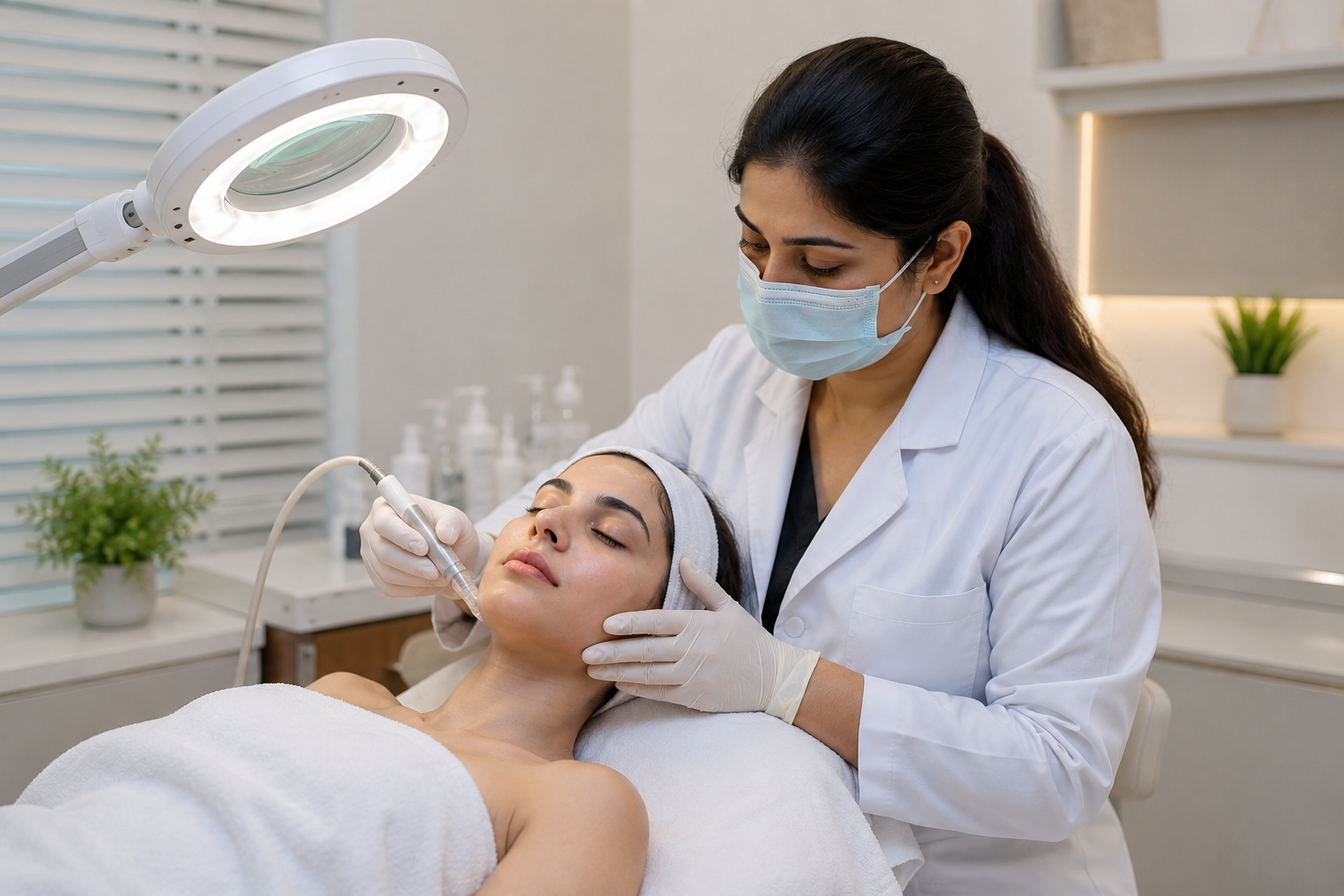
Your skin is often the first thing people notice—before you speak, before you share your achievements, before anything else. Acne, pigmentation, dullness, or premature lines can quietly chip away at confidence, even when you feel healthy and capable on the inside. The good news is that modern skin care is no longer just about “fairness” or quick fixes. It’s about diagnosing the root cause, treating medical issues properly, and then enhancing what’s already working well.
At Mercurrey Hospital in Thane, this dual approach is built into everyday practice. For patients exploring Dermatology Treatment in Thane and Cosmetology Treatment in Thane, the focus is on clear, safe, and lasting results that look natural rather than overdone.
Why medical dermatology and cosmetology work best together
Many people separate “skin treatment” into two boxes: one for medical problems like acne, eczema, or fungal infections, and another for cosmetic concerns like glow, texture, or anti‑ageing. In reality, these areas overlap more than most realise.
- Active acne needs medical control before scar treatments can work well.
- Pigmentation may be worsened by the wrong cosmetic procedures if the underlying cause isn’t addressed.
- Sensitive or compromised skin barriers need medical stabilisation before peels, lasers, or injectables are considered.
A skilled dermatologist will first evaluate your skin from a medical standpoint, then layer in options that enhance texture, tone, and radiance without triggering flare‑ups. This integrated method is what makes Dermatology Treatment in Thane at a multi‑speciality hospital like Mercurrey so effective, while ensuring that every Cosmetology Treatment in Thane plan is safe and tailored.
Common concerns that bring patients to Mercurrey Hospital
Every day, patients in and around Thane visit the dermatology department with a wide range of issues. Some of the most frequent include:
- Persistent acne and acne scars affecting face, back, or chest
- Melasma, sun spots, and uneven pigmentation
- Hair fall, thinning, or patchy loss (alopecia)
- Eczema, allergic rashes, and chronic itching
- Fungal infections that keep recurring despite over‑the‑counter creams
- Early signs of ageing such as fine lines, laxity, or dullness
For each of these, the treatment path may involve a mix of prescription medications, lifestyle changes, in‑clinic procedures, and home‑care routines. That’s where structured Dermatology Treatment in Thane combined with targeted Cosmetology Treatment in Thane creates a clear, step‑by‑step plan instead of random trial and error.
Choosing the Right Dermatology Care for Your Skin
Skin concerns such as acne, pigmentation, hair loss, rashes, and infections can have different causes, making proper evaluation important before starting treatment. A dermatologist can assess your condition and recommend care suited to your skin and long-term needs.
At Mercurrey Hospital in Thane, dermatology and cosmetology services cover medical skin conditions, hair concerns, and aesthetic treatments. Explore Dermatology and Cosmetology Treatment in Thane, India to learn more about the available care.
When a skin or hair concern may be linked to another health condition, the hospital’s multi-speciality setup allows dermatologists to coordinate with other departments. For example, hormonal acne or hair loss may require evaluation through General Medicine Hospital in Thane, India, supporting a more comprehensive approach to treatment.
What to expect in your first dermatology consultation
A proper consultation is the foundation of effective treatment. At Mercurrey Hospital, your first visit typically includes:
- A detailed discussion of your main concerns, duration, previous treatments, and products used
- Review of medical history, including allergies, medications, hormonal issues, and lifestyle
- Examination of your skin, scalp, and sometimes nails under good lighting and magnification
- Diagnosis of the primary condition (for example, acne grade, type of pigmentation, pattern of hair loss)
- A clear plan outlining medications, procedures, expected timeline, and home‑care instructions
For cosmetic goals like glow, texture improvement, or anti‑ageing, the dermatologist will assess skin type, sensitivity, and risk of post‑inflammatory pigmentation before suggesting peels, lasers, or injectables. This careful planning is what separates responsible procedures from aggressive, one‑size‑fits‑all packages.
How dermatology and cosmetology plans are structured
Treatment is rarely just one cream or one procedure. A typical roadmap may include:
- Medical phase – controlling active disease (acne, eczema, infection, hair loss) with appropriate medications and lifestyle changes.
- Correction phase – addressing scars, pigmentation, texture, or volume loss with procedures like chemical peels, lasers, microneedling, or fillers.
- Maintenance phase – using gentle, medical‑grade skincare, sun protection, and periodic touch‑ups to sustain results.
Throughout this journey, your dermatologist will adjust the plan based on how your skin responds. This is especially important for patients with darker skin tones, who are more prone to post‑procedure pigmentation if treatments are too aggressive. Balanced care ensures that cosmetic enhancements never compromise skin safety.
Myths that derail skin progress
Several misconceptions often slow down or worsen skin issues:
- “Cosmetic treatments can replace medical care.”
Procedures can enhance skin, but they cannot substitute for proper diagnosis and treatment of underlying conditions. Medical evaluation must come first. - “Stronger peels and lasers give faster results.”
Overly aggressive treatments can cause burns, scarring, or rebound pigmentation, especially in Indian skin. A conservative, staged approach is usually safer and more effective long‑term. - “Home remedies and viral hacks are enough.”
While some DIY tips are harmless, many can irritate the skin barrier or worsen pigmentation and acne. Professional guidance prevents costly mistakes.
Understanding these realities helps patients make calm, informed choices instead of decisions driven by trends or fear.
Conclusion
Healthy, confident skin is not about perfection; it’s about balance, clarity, and care that respects your unique skin type and concerns. At Mercurrey Hospital, Dermatology Treatment in Thane is delivered with a strong medical foundation, while Cosmetology Treatment in Thane is used thoughtfully to refine and enhance results. If your skin no longer reflects how you feel inside, consulting an experienced dermatologist here can help you build a realistic, sustainable plan for clearer, brighter, and more resilient skin.
FAQs
- Do I need to see a dermatologist for cosmetic concerns too?
Yes. A qualified dermatologist can assess your skin’s medical health before recommending any cosmetic procedure, ensuring safety and better outcomes. - How long does it take to see results from dermatology treatment?
It varies by condition. Acne and infections may improve in weeks, while pigmentation, scars, and hair loss often need several months of consistent care. - Are cosmetic procedures painful?
Most procedures are well tolerated with topical anaesthesia or cooling. Discomfort is usually mild and short‑lived when performed by an experienced team. - Can I combine medical and cosmetic treatments?
Yes, but timing matters. Active medical issues are stabilised first, then cosmetic procedures are introduced gradually under your dermatologist’s supervision as part of an integrated plan. - Do I need to continue follow‑ups after my skin improves?
Regular follow‑ups help maintain results, adjust maintenance routines, and catch any early signs of recurrence. This long‑term view is a key part of effective skin care.