
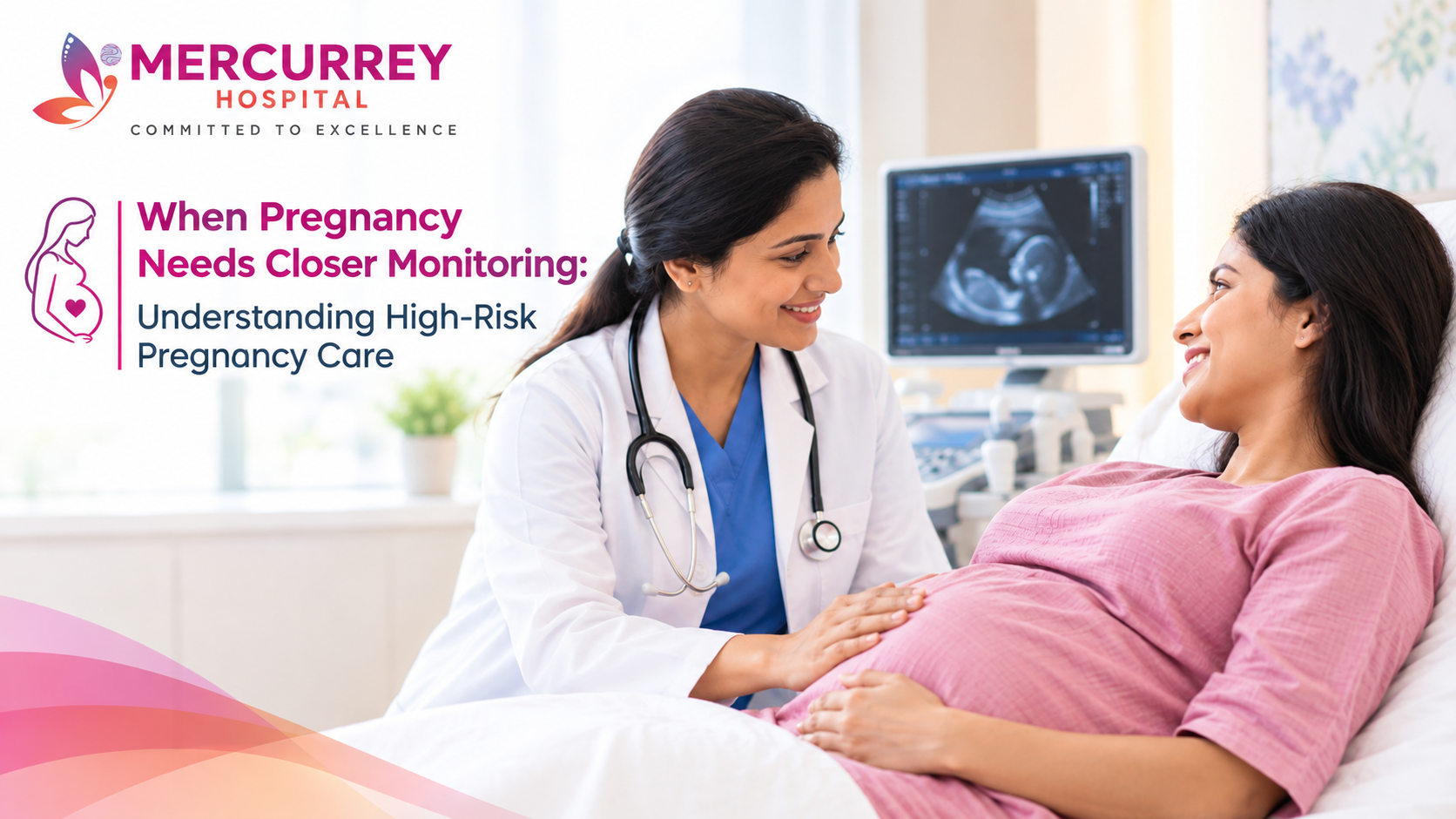
Pregnancy does not follow exactly the same path for every woman. Some pregnancies progress with routine appointments, while others require more frequent check-ups, additional investigations or closer observation. This does not necessarily mean that a complication will occur. Instead, closer monitoring allows doctors to identify changes early and respond appropriately when additional medical attention is needed.
Understanding when pregnancy may require additional supervision can help expecting mothers feel more prepared about their antenatal care. Access to appropriate Pregnancy Care in Thane can be particularly important when a mother has an existing medical condition, develops a pregnancy-related complication or has factors that require closer observation.
What Can Make a Pregnancy High Risk?
A pregnancy may be considered high risk when certain factors increase the possibility of complications affecting the mother, baby or both. These factors can be present before conception or develop during pregnancy.
Some examples include:
- High blood pressure or pregnancy-related hypertension
- Diabetes before or during pregnancy
- Previous pregnancy complications
- Multiple pregnancy, such as twins
- Problems involving the placenta
- Certain heart, kidney or thyroid conditions
- Abnormal fetal growth
- Previous preterm delivery
- Maternal age or other individual risk factors
Having one of these factors does not mean that a pregnancy will necessarily have a poor outcome. It means the pregnancy may benefit from an individualized monitoring plan.
Why Does Monitoring Become More Important?
Routine antenatal appointments help doctors follow the mother’s health and the baby’s development. When additional risk factors are present, the frequency or type of monitoring may change according to the patient’s circumstances.
A doctor may monitor blood pressure, blood sugar, weight, fetal growth and other aspects of maternal and fetal health. Ultrasound examinations or other investigations may also be recommended when clinically appropriate.
The purpose is not simply to conduct more tests. The goal is to understand how the pregnancy is progressing and recognize changes that may require timely management.
This is one of the important reasons women requiring High risk pregnancy care in Thane may benefit from consistent follow-up with an experienced obstetric care team.
Existing Health Conditions Can Affect Pregnancy Care
Some women begin pregnancy with a medical condition that requires attention throughout the pregnancy. Conditions such as diabetes, hypertension, thyroid disorders or certain heart and kidney problems may influence how pregnancy is monitored.
In such situations, antenatal care may involve coordination between obstetric care and other medical specialists when required. Medication may also need to be reviewed to ensure that treatment remains appropriate during pregnancy.
Rather than following a standard schedule without considering individual circumstances, Pregnancy Care in Thane should be adapted according to the mother’s medical history and the baby’s development.
Pregnancy Complications Can Develop Later
Not every high-risk pregnancy is identified at the beginning. Some complications become apparent as pregnancy progresses.
For example, a woman who has had an uncomplicated early pregnancy may later develop high blood pressure, gestational diabetes, reduced fetal growth or other concerns. Regular antenatal appointments can help doctors identify changes that may not produce obvious symptoms initially.
This makes consistency important. Missing appointments can mean missing opportunities to monitor changes in maternal or fetal health.
What Does Closer Pregnancy Monitoring Involve?
There is no single monitoring schedule that applies to every high-risk pregnancy. Care is planned according to the individual’s medical history, pregnancy stage and identified risk factors.
Depending on the situation, monitoring may include:
- More frequent antenatal consultations
- Blood pressure and blood sugar monitoring
- Ultrasound assessment
- Fetal growth monitoring
- Blood or urine investigations
- Assessment of maternal symptoms
- Fetal well-being assessments
- Planning for delivery based on maternal and fetal conditions
The exact approach should always be decided by the treating obstetrician rather than following advice intended for another pregnancy.
When Should an Expecting Mother Seek Medical Advice?
Some symptoms during pregnancy require prompt medical assessment, particularly when they are sudden, severe or different from what the mother normally experiences.
Depending on the stage of pregnancy, concerning symptoms can include significant vaginal bleeding, severe abdominal pain, severe headache, sudden swelling, blurred vision, fluid leakage, reduced fetal movements or breathing difficulty.
Women should not wait for their next scheduled appointment when they experience symptoms that concern them. Immediate medical assessment may be appropriate depending on the situation.
How Specialized Care Can Support a High-Risk Pregnancy
The purpose of specialized pregnancy care is to create a monitoring and treatment plan that reflects the mother’s individual needs. This may involve closer follow-up, additional investigations and timely intervention when required.
At Mercurrey Hospital, pregnancy-related care can be discussed with the obstetric team based on the mother’s medical history and current pregnancy needs. Women looking specifically for High Risk Pregnancy Care in Thane can learn more about the hospital’s approach to managing pregnancies that require closer observation.
For general information about the hospital and its medical facilities, patients can also visit Mercurrey Hospital.
When Pregnancy Needs More Individualized Attention
Every pregnancy deserves appropriate antenatal supervision, but some mothers and babies need a more closely monitored approach. Risk factors may be known before pregnancy, identified during routine check-ups or develop later as pregnancy progresses.
Women seeking High risk pregnancy care in Thane should discuss their medical history, previous pregnancy experiences and current concerns with their obstetrician. A personalized plan can help ensure that both maternal and fetal health are followed throughout pregnancy.