
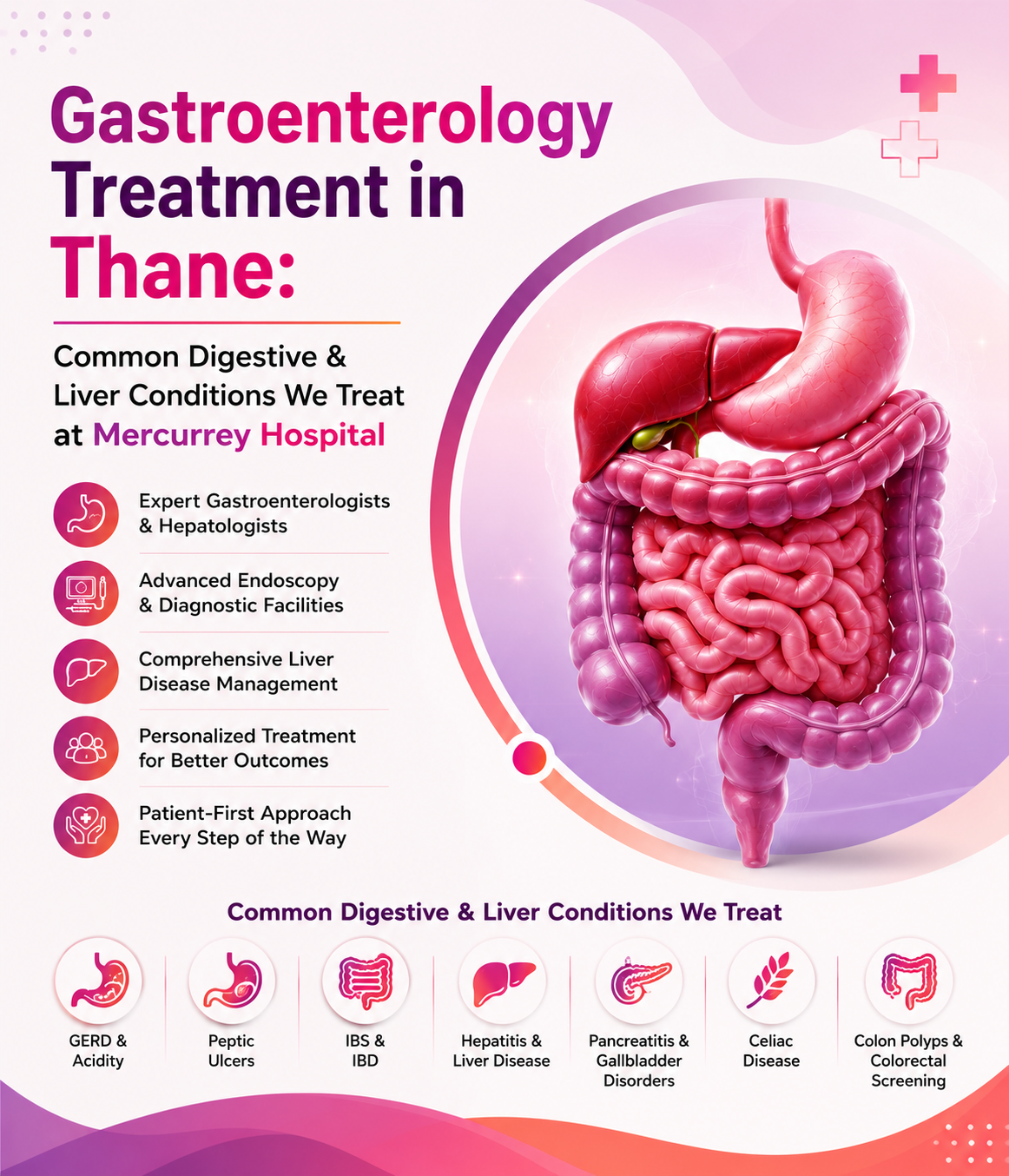
Frequent acidity, bloating, abdominal pain, or digestive discomfort can affect your daily life more than you realize. While occasional digestive issues are common, persistent symptoms may indicate an underlying gastrointestinal or liver condition that requires specialist care. At Mercurrey Hospital, we provide comprehensive gastroenterology treatment in Thane, helping patients diagnose, manage, and recover from a wide range of digestive and liver disorders.
At Mercurrey Hospital, our team of experienced gastroenterologists and hepatologists combines advanced diagnostic technology with a patient-first approach to diagnose, manage, and treat a wide range of digestive and liver conditions. From common gastrointestinal disorders to complex liver diseases, we focus on delivering personalized care that helps patients achieve better digestive health and overall well-being.
Common Signs You May Need Gastroenterology Treatment
Many digestive conditions start with mild, easy-to-ignore symptoms. If you notice any of the following on a regular basis, it may be time to consult a specialist:
- Frequent acidity or heartburn
- Persistent bloating
- Abdominal pain
- Difficulty swallowing
- Chronic constipation or diarrhea
- Blood in stool
- Unexplained weight loss
- Jaundice or yellowing of the eyes
Recognizing these warning signs early can make a significant difference in how easily a condition is treated.
Why Digestive Health Deserves Attention
The gastrointestinal (GI) system includes the esophagus, stomach, intestines, liver, pancreas, and gallbladder, all of which work together to keep your body functioning properly. When something goes wrong in this system, the effects can ripple through your entire day, from disturbed sleep to reduced productivity at work. Getting the right gastroenterology treatment in Thane early on can prevent minor issues from developing into chronic, harder-to-manage conditions.
Below is a detailed look at the digestive and liver conditions our specialists manage most often, along with their causes, symptoms, and treatment approaches.
1. Gastroesophageal Reflux Disease (GERD)
GERD occurs when the lower esophageal sphincter weakens or relaxes abnormally, allowing stomach acid to flow back into the esophagus. This causes irritation of the esophageal lining and is one of the most frequently treated conditions at our gastroenterology clinic in Thane.
Common causes: Obesity, smoking, pregnancy, hiatal hernia, and certain foods such as spicy, fried, or acidic items.
Symptoms: Burning chest pain (heartburn), regurgitation, difficulty swallowing, chronic cough, and a sour taste in the mouth, especially after meals or while lying down.
Treatment approach: Mild cases are often managed with lifestyle changes such as smaller meals, weight management, and avoiding trigger foods, along with proton pump inhibitors (PPIs) or H2 blockers. For patients with severe or treatment-resistant GERD, our team may recommend an upper GI endoscopy to assess esophageal damage and explore advanced options such as endoscopic or surgical intervention.
2. Peptic Ulcers
Peptic ulcers are open sores that develop on the inner lining of the stomach (gastric ulcers) or the upper part of the small intestine (duodenal ulcers).
Common causes: Infection with Helicobacter pylori (H. pylori) bacteria and long-term use of nonsteroidal anti-inflammatory drugs (NSAIDs) such as ibuprofen or aspirin.
Symptoms: Burning or gnawing stomach pain (often worse on an empty stomach), bloating, nausea, and in severe cases, dark stools or vomiting blood, which require immediate medical attention.
Treatment approach: Diagnosis usually involves endoscopy along with H. pylori testing through breath, stool, or blood tests. Treatment typically combines antibiotics to eliminate the infection with acid-suppressing medications to allow the ulcer to heal. Patients are also advised to avoid NSAIDs and limit alcohol and smoking during recovery.
3. Irritable Bowel Syndrome (IBS)
IBS is a common functional gastrointestinal disorder, meaning the digestive tract appears structurally normal but does not function properly.
Common causes: While the exact cause is unclear, IBS is often linked to abnormal gut motility, increased sensitivity to digestion, stress, and changes in gut bacteria.
Symptoms: Abdominal pain or cramping, bloating, excess gas, and alternating episodes of diarrhea and constipation. Symptoms often worsen after eating or during periods of stress.
Treatment approach: Management focuses on identifying and avoiding trigger foods (such as high-FODMAP foods), increasing fiber intake where appropriate, stress reduction techniques, and medications to manage specific symptoms such as cramping, diarrhea, or constipation. Many patients in Thane visit our centre for ongoing IBS management, as ongoing dietary guidance often makes a significant difference.
4. Inflammatory Bowel Disease (IBD)
IBD is an umbrella term for chronic inflammatory conditions of the digestive tract, primarily Crohn’s disease and ulcerative colitis. Unlike IBS, IBD involves actual inflammation and damage to the intestinal lining.
Common causes: A combination of genetic predisposition, an overactive immune response, and environmental factors are believed to contribute to IBD.
Symptoms: Persistent diarrhea (sometimes with blood), abdominal pain, fatigue, unintended weight loss, and reduced appetite. Symptoms can flare up and then go into remission over time.
Treatment approach: Diagnosis typically involves colonoscopy with biopsy, along with blood and stool tests to assess inflammation. Treatment may include anti-inflammatory medications, immunosuppressants, or biologic therapies to control inflammation and induce remission. Patients require ongoing, specialized care from a gastroenterologist in Thane, with regular monitoring to adjust treatment as needed and prevent complications.
5. Hepatitis and Liver Disease
The liver plays a central role in digestion, detoxification, and metabolism, making liver health a major focus of our gastroenterology department.
Common causes: Viral infections (Hepatitis A, B, and C), excessive alcohol consumption, obesity-related fatty liver disease, and certain medications or autoimmune conditions can all affect the liver.
Symptoms: Fatigue, loss of appetite, nausea, abdominal discomfort in the upper right side, and in more advanced cases, jaundice (yellowing of the skin and eyes), dark urine, and swelling in the abdomen or legs.
Treatment approach: Our team manages viral hepatitis with antiviral therapies, while fatty liver disease and cirrhosis are addressed through a combination of medication, dietary changes, and lifestyle modification. For patients with liver cancer, treatment is coordinated with our oncology team using the latest protocols. Regular liver function testing is recommended for early detection, particularly for patients with diabetes, obesity, or a history of alcohol use.
6. Pancreatitis
Pancreatitis is inflammation of the pancreas, an organ responsible for producing digestive enzymes and regulating blood sugar.
Common causes: Gallstones and chronic alcohol use are among the most common causes, along with certain medications, high triglyceride levels, and in some cases, genetic factors.
Symptoms: Sudden, severe abdominal pain that may radiate to the back, nausea, vomiting, fever, and a rapid pulse. Chronic pancreatitis may also cause unintended weight loss and oily, foul-smelling stools due to poor digestion.
Treatment approach: Acute pancreatitis often requires hospitalization for pain management, intravenous fluids, and addressing the underlying cause, such as gallstone removal. Chronic pancreatitis is managed through long-term dietary modifications, pain management, enzyme replacement therapy, and avoiding alcohol to prevent further damage to the pancreas.
7. Celiac Disease
Celiac disease is an autoimmune condition in which consuming gluten, a protein found in wheat, barley, and rye, triggers an immune response that damages the lining of the small intestine.
Common causes: Celiac disease has a strong genetic component and is often triggered or unmasked by factors such as infections, surgery, or significant physical stress.
Symptoms: Digestive symptoms such as bloating, diarrhea, and abdominal pain, along with non-digestive symptoms like fatigue, anemia, bone or joint pain, and in children, delayed growth.
Treatment approach: Diagnosis typically involves blood tests for specific antibodies, followed by an endoscopic biopsy of the small intestine to confirm damage. The primary treatment is a strict, lifelong gluten-free diet, which allows the intestinal lining to heal over time. Our team also provides nutritional counselling to help patients manage this dietary transition effectively.
8. Colon Polyps and Colorectal Cancer
Colon polyps are abnormal growths on the inner lining of the colon or rectum. While most polyps are benign, certain types can develop into colorectal cancer over time if left untreated.
Common causes: Risk factors include age above 45, a diet high in red or processed meat and low in fiber, obesity, smoking, and a family history of polyps or colorectal cancer.
Symptoms: Many polyps cause no symptoms at all, which is why screening is so important. When symptoms do occur, they may include changes in bowel habits, blood in stool, abdominal discomfort, or unexplained weight loss.
Treatment approach: Colonoscopy is the gold standard for both detecting and removing polyps in a single procedure, significantly reducing the risk of colorectal cancer. Our gastroenterology centre in Thane performs regular screenings and polyp removal procedures, and patients found to have higher-risk polyps may be advised to follow up with more frequent surveillance colonoscopies.
How We Diagnose and Treat These Conditions
At Mercurrey Hospital, gastroenterology treatment in Thane begins with a thorough consultation and diagnostic workup, which may include blood tests, imaging, and advanced endoscopy procedures such as Upper GI Endoscopy, ERCP, and Endoscopic Ultrasound (EUS). Based on the diagnosis, our specialists create a personalized treatment plan that may involve medication, endoscopic procedures, dietary counselling, or, in complex cases, coordination with surgeons and oncologists.
Our multidisciplinary team of gastroenterologists, hepatologists, dietitians, and radiologists works together to ensure every patient receives coordinated, comprehensive care, not a one-size-fits-all approach.
Why Choose Mercurrey Hospital for Gastroenterology Treatment in Thane?
- Experienced gastroenterologists and hepatologists
- Advanced endoscopy and diagnostic facilities
- Comprehensive liver disease management
- Personalized treatment plans
- Multidisciplinary care under one roof
- Convenient location in Majiwada, Thane
Conclusion
Digestive and liver conditions often begin with mild symptoms that are easy to ignore. Early diagnosis and timely treatment can prevent complications and improve long-term health outcomes. Whether you’re experiencing chronic acidity, abdominal pain, bowel changes, or liver-related concerns, seeking expert gastroenterology treatment in Thane can help you regain control of your digestive health.
Book Your Consultation Today
If you are experiencing any of the symptoms mentioned above, do not wait for them to worsen. Mercurrey Hospital provides trusted gastroenterology treatment in Thane, with experienced specialists, advanced endoscopy equipment, and a patient-first approach to digestive and liver care.
📍 Mercurrey Hospital | High Street Mall, Junction, Samata Nagar, Kapurbawdi, Majiwada, Thane, Maharashtra 400607
📞 +91 89288 55152
Q1: Which hospital is best for gastroenterology and endoscopy in Thane?
Mercurrey Hospital is a trusted choice for gastrointestinal care, offering experienced gastroenterologists, advanced endoscopy equipment, and modern facilities for accurate diagnosis and treatment.
Q2: What digestive conditions are commonly treated at Mercurrey Hospital?
Our specialists treat GERD, peptic ulcers, IBS, IBD, hepatitis, fatty liver disease, pancreatitis, celiac disease, and colon polyps, among other conditions.
Q3: When should I consult a gastroenterologist?
You should seek consultation if you experience persistent acidity, abdominal pain, bloating, unexplained weight loss, or blood in stool.
Q4: Is colonoscopy necessary if I have no symptoms?
Yes, routine colonoscopy screening is recommended for individuals above 45 or those with a family history of colorectal cancer, even without symptoms.
Q5: How can I book an appointment for gastroenterology treatment in Thane?
You can call +91 89288 55152 or visit Mercurrey Hospital at Majiwada, Thane, to schedule a consultation.
Q6: What tests does a gastroenterologist perform?
A gastroenterologist may recommend blood tests, stool tests, ultrasound, CT scans, upper GI endoscopy, colonoscopy, ERCP, or EUS depending on your symptoms.
Q7: Can digestive problems be treated without surgery?
Yes. Many digestive disorders such as GERD, IBS, ulcers, and fatty liver disease can often be managed through medications, lifestyle modifications, and dietary changes.
Q8: Does Mercurrey Hospital offer endoscopy services in Thane?
Yes. Mercurrey Hospital provides advanced endoscopy services, including diagnostic and therapeutic procedures for various digestive disorders.