
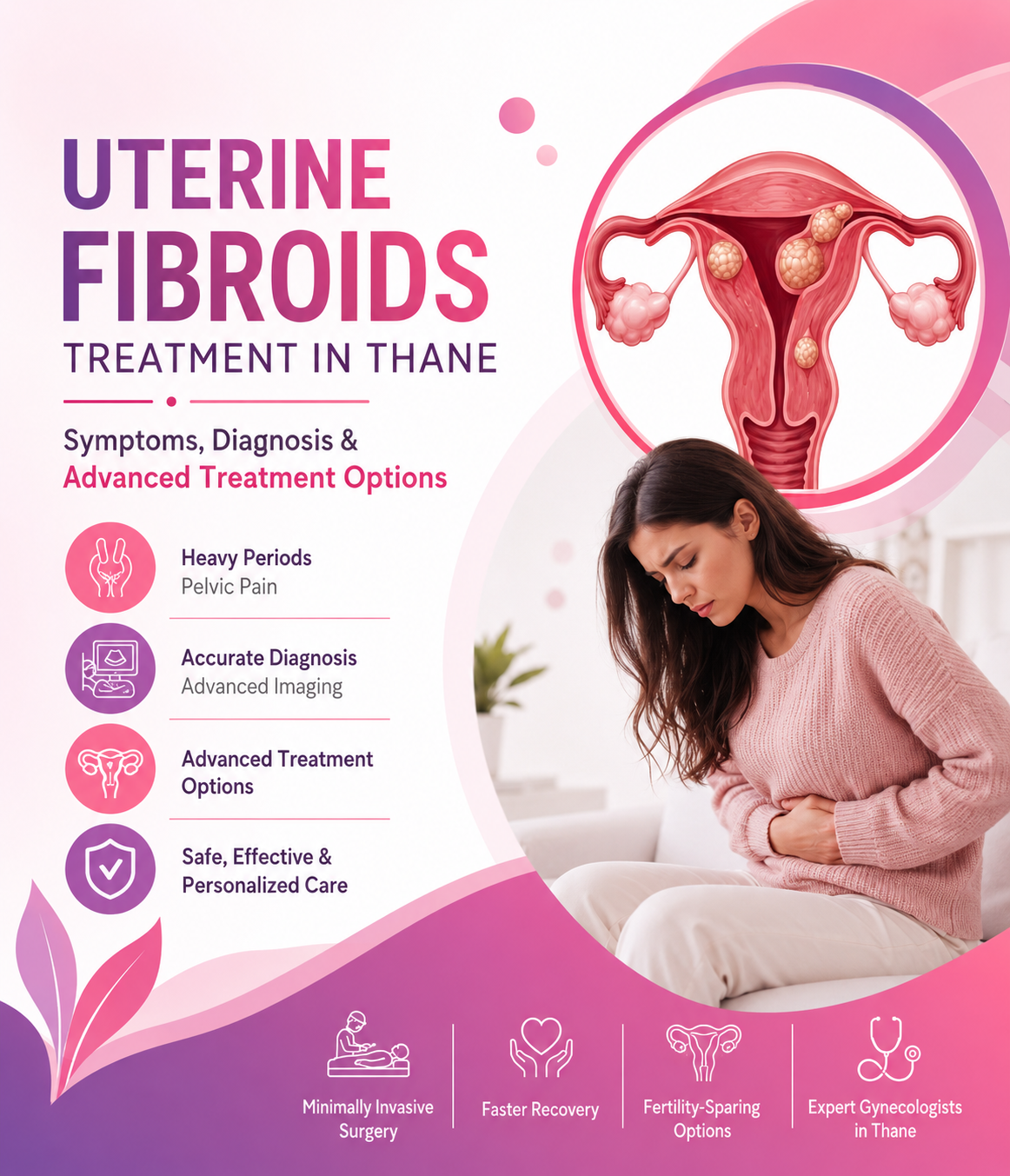
Heavy periods, pelvic discomfort, and frequent urination are often dismissed as routine health issues by many women. However, these symptoms may indicate uterine fibroids, a common gynecological condition that affects millions of women during their reproductive years. While fibroids are usually non-cancerous, they can significantly impact daily life, fertility, and overall well-being if left untreated.
For women seeking expert Uterine Fibroids Treatment in Thane, early diagnosis and timely intervention can make a significant difference. At Mercurrey Hospital, our experienced gynecologists provide comprehensive care, advanced diagnostics, and personalized treatment plans to help women manage fibroids effectively and improve their quality of life.
What Are Uterine Fibroids?
Uterine fibroids, also known as leiomyomas, are non-cancerous growths that develop in or around the uterus. These growths are composed of muscle and fibrous tissue and can vary in size from tiny, undetectable nodules to large masses that may enlarge the uterus.
Fibroids can occur individually or as multiple growths and are most commonly diagnosed in women between the ages of 30 and 50. Although they are generally benign, some fibroids can cause symptoms that interfere with daily activities and reproductive health.
Types of Uterine Fibroids
Depending on their location, fibroids are classified into:
Intramural Fibroids
These develop within the muscular wall of the uterus and are the most common type.
Submucosal Fibroids
These grow beneath the inner lining of the uterus and may contribute to heavy menstrual bleeding and fertility issues.
Subserosal Fibroids
These develop on the outer surface of the uterus and can press against surrounding organs.
Pedunculated Fibroids
These fibroids are attached to the uterus by a stalk-like structure and may cause discomfort depending on their size and location.
Understanding the type and location of fibroids is essential when planning the most suitable Uterine Fibroids Treatment in Thane.
What Causes Uterine Fibroids?
The exact cause of fibroids is not fully understood, but several factors may contribute to their development:
- Hormonal fluctuations involving estrogen and progesterone
- Family history of fibroids
- Obesity and excess body weight
- Early onset of menstruation
- Vitamin D deficiency
- Lifestyle and dietary habits
- High blood pressure in some women
Women with a family history of fibroids are often at a higher risk of developing the condition.
Common Symptoms of Uterine Fibroids
Many women may have fibroids without experiencing any symptoms. However, symptomatic fibroids can lead to significant discomfort and health concerns.
Common Warning Signs Include:
- Heavy or prolonged menstrual bleeding
- Pelvic pain or pressure
- Frequent urination
- Constipation
- Lower back pain
- Pain during intercourse
- Abdominal bloating
- Difficulty conceiving
- Recurrent pregnancy loss in certain cases
- Fatigue caused by anemia due to excessive blood loss
Large fibroids may put pressure on nearby organs such as the bladder and bowel, leading to additional symptoms.
At Mercurrey Hospital, many women seeking treatment for heavy periods or chronic pelvic pain discover that uterine fibroids are the underlying cause. Early diagnosis allows for more treatment options and often prevents complications.
When Should You Consult a Gynecologist?
You should seek professional medical advice if you experience:
- Excessive menstrual bleeding
- Severe menstrual cramps
- Persistent pelvic pain
- Frequent urination without infection
- Difficulty conceiving
- Rapid abdominal enlargement
- Symptoms of anemia such as fatigue and weakness
Seeking timely gynaecology treatment in Thane can help identify fibroids before they become larger and more difficult to manage.
How Are Uterine Fibroids Diagnosed?
Accurate diagnosis is essential for developing an effective treatment plan. At Mercurrey Hospital, specialists use advanced diagnostic technologies to determine the size, number, and location of fibroids.
1. Pelvic Examination
A physical examination helps identify abnormalities in the uterus and detect enlargement caused by fibroids.
2. Ultrasound Scan
Ultrasound is usually the first imaging test used to confirm the presence of fibroids and evaluate their size and position.
3. MRI Scan
MRI provides highly detailed images of the uterus and is especially useful for evaluating complex or multiple fibroids.
4. Blood Tests
Blood tests may be recommended to identify anemia caused by heavy menstrual bleeding.
These diagnostic tools help specialists recommend the most appropriate Uterine Fibroids Treatment in Thane based on individual needs and reproductive goals.
Advanced Treatment Options for Uterine Fibroids
Not all fibroids require surgery. Treatment depends on factors such as fibroid size, location, symptoms, age, and future pregnancy plans.
Watchful Waiting
Small fibroids that do not cause symptoms may only require regular monitoring through periodic check-ups and imaging studies.
Medication Management
Medications may help:
- Control heavy menstrual bleeding
- Reduce pelvic pain
- Regulate hormonal imbalances
- Improve quality of life
Although medication can relieve symptoms, it may not eliminate fibroids permanently.
Minimally Invasive Fibroid Treatment
Modern gynecology offers several minimally invasive treatment options that help reduce recovery time and surgical risks.
Benefits include:
- Smaller incisions
- Less postoperative pain
- Faster recovery
- Shorter hospital stay
- Lower risk of complications
Laparoscopic Fibroid Surgery
Laparoscopic surgery is a minimally invasive procedure that allows surgeons to remove fibroids through small incisions. This advanced technique is often associated with quicker recovery and reduced scarring.
Myomectomy
Myomectomy is a fertility-preserving surgery that removes fibroids while keeping the uterus intact. It is often recommended for women planning future pregnancies.
Hysterectomy
For women with severe symptoms, multiple fibroids, or those who have completed their families, hysterectomy may be considered as a permanent treatment solution.
The choice of treatment is always individualized, ensuring patients receive the most suitable and effective care.
Can Fibroids Affect Fertility?
Yes. Depending on their size and location, fibroids can interfere with conception, embryo implantation, and pregnancy.
Submucosal fibroids, in particular, may increase the risk of:
- Infertility
- Miscarriage
- Pregnancy complications
- Preterm labor
However, many women successfully conceive and deliver healthy babies after appropriate treatment. Consulting an experienced women’s health specialist is essential if you are planning pregnancy and have fibroids.
Why Choose Mercurrey Hospital for Uterine Fibroids Treatment in Thane?
Choosing the right healthcare provider plays a crucial role in successful treatment outcomes.
Mercurrey Hospital offers advanced gynaecology treatment in Thane with a patient-centered approach focused on safety, comfort, and long-term wellness.
What Makes Mercurrey Hospital Different?
- Experienced obstetricians and gynecologists
- Advanced diagnostic technology
- Personalized treatment plans
- Expertise in minimally invasive surgery
- Comprehensive women’s healthcare services
- Fertility-focused treatment options
- Compassionate patient care
- 24/7 emergency support
Women from Thane, Ghodbunder Road, Hiranandani Estate, Kasarvadavali, Waghbil, Manpada, and nearby areas trust Mercurrey Hospital for expert diagnosis and treatment of uterine fibroids and other gynecological conditions.
Preventing Fibroid Complications
While fibroids cannot always be prevented, women can reduce the risk of complications by:
- Scheduling regular gynecological check-ups
- Maintaining a healthy body weight
- Following a balanced diet
- Managing hormonal health
- Seeking prompt medical attention for abnormal bleeding
- Following recommended health screenings
Early intervention often leads to better treatment outcomes and may reduce the need for extensive surgery.
Frequently Asked Questions About Uterine Fibroids
Can uterine fibroids go away on their own?
Small fibroids may shrink after menopause due to reduced hormone levels. However, symptomatic fibroids often require medical monitoring or treatment.
What is the best treatment for uterine fibroids?
The best treatment depends on the size, location, symptoms, and fertility goals of the patient. A specialist can recommend the most suitable option.
Are uterine fibroids cancerous?
No. Uterine fibroids are usually non-cancerous growths and rarely develop into cancer.
Can fibroids affect pregnancy?
Yes. Some fibroids may interfere with conception or increase the risk of pregnancy-related complications.
Where can I get Uterine Fibroids Treatment in Thane?
Mercurrey Hospital provides comprehensive diagnosis, advanced treatment options, and specialized women’s healthcare services for patients suffering from uterine fibroids.
Conclusion
Uterine fibroids are among the most common gynecological conditions affecting women, but they should never be ignored. Symptoms such as heavy menstrual bleeding, pelvic pain, abdominal bloating, and fertility concerns can significantly impact daily life and overall health.
The good news is that modern medicine offers a range of effective treatment options, from medication and minimally invasive procedures to advanced surgical solutions.
If you are experiencing symptoms or have been diagnosed with fibroids, seeking expert Uterine Fibroids Treatment in Thane can help you achieve relief, protect your reproductive health, and improve your quality of life. At Mercurrey Hospital, our dedicated specialists are committed to providing advanced, compassionate, and personalized gynaecology treatment in Thane, ensuring every woman receives the highest standard of care.