
Medical emergencies can strike without warning. In such situations, knowing when to rush a patient to the ICU can save valuable time and, in many cases, lives. Unfortunately, many families hesitate or wait too long because they are unsure whether the condition is serious enough.
If you are searching for emergency ICU care in Thane, understanding these critical warning signs can help you make the right decision at the right time.
What Is an ICU and Why Is It So Important?
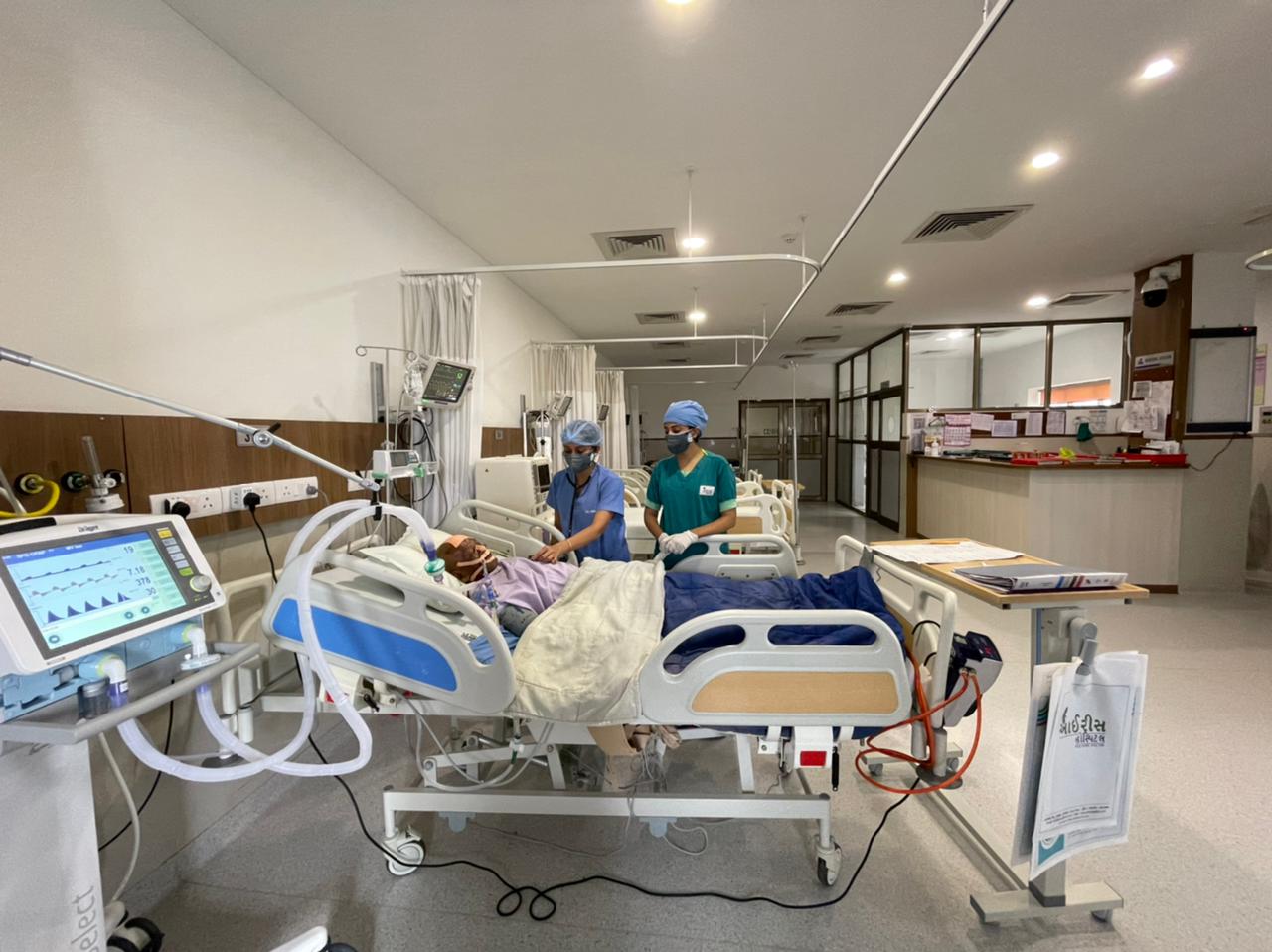
An ICU (Intensive Care Unit) is a specialised hospital unit designed to treat patients with life-threatening conditions. These patients need constant monitoring, advanced medical equipment, and immediate intervention because their condition can change rapidly.
A well-equipped intensive care unit in Thane provides round-the-clock monitoring, life-support systems, and care by trained critical care specialists.
ICU vs Emergency Ward – What’s the Difference?
Many people assume the emergency ward and ICU are the same, but they serve different purposes.
- Emergency Ward: Immediate assessment, diagnosis, and initial stabilisation
- ICU: Continuous monitoring and advanced life support for critically ill patients
Patients are often first treated in the emergency department and then shifted to the ICU if their condition becomes critical.
10 Warning Signs You Should Rush to the ICU Immediately
1. Difficulty in Breathing or Shortness of Breath
Sudden breathing difficulty can be caused by low oxygen levels, severe asthma, pneumonia, or heart problems. This is a medical emergency and requires immediate ICU care.
-
Chest Pain or Pressure
Chest pain, tightness, or heaviness especially if it spreads to the arm, jaw, or back may indicate a heart attack. Immediate evaluation at a critical care hospital in Thane is essential.
-
Sudden Loss of Consciousness or Fainting
Unexpected fainting may be related to heart rhythm problems, stroke, or a sudden drop in blood pressure and should never be ignored.
-
Severe Head Injury or Major Trauma
Accidents or falls can lead to internal bleeding or brain injury. ICU monitoring helps detect complications early and improves outcomes.
-
Extremely High or Low Blood Pressure
Dangerous blood pressure levels can result in stroke, organ damage, or cardiac arrest and often require ICU admission.
-
Uncontrolled Bleeding
Heavy bleeding due to injury, surgery, or medical conditions can quickly become life-threatening and needs urgent ICU intervention.
-
Seizures or Fits
First-time seizures, repeated seizures, or prolonged seizures require immediate ICU monitoring and treatment.
-
Sudden Weakness, Slurred Speech, or Facial Drooping
These are classic warning signs of a stroke. Immediate ICU care during the critical early hours can save life and prevent permanent disability.
-
High Fever with Confusion or Drowsiness
High fever combined with confusion may indicate sepsis, a serious infection that spreads rapidly through the body and requires intensive care treatment.
-
Very Low Urine Output or Severe Dehydration
This can signal kidney failure, shock, or severe infection and requires urgent ICU management.
Who Is at Higher Risk of Needing ICU Care?
Some people are more vulnerable to critical illnesses, including:
- Elderly individuals
- People with heart, lung, kidney, or liver conditions
- Patients with diabetes or high blood pressure
- Post-surgery patients
Such individuals should seek immediate care at an ICU hospital in Thane if serious symptoms appear.
What Happens After a Patient Is Shifted to the ICU?
Once admitted to the ICU:
- Vital signs are monitored continuously
- Advanced equipment supports breathing and circulation if required
- A team of doctors manages care round-the-clock
- Family members are regularly updated on the patient’s condition
The main focus is stabilisation, recovery, and preventing complications.
When Should You Call Emergency Services Immediately?
Emergency services should be contacted immediately if:
- The patient is unable to breathe properly
- There is sudden collapse or unconsciousness
- Symptoms of stroke or heart attack appear
Delaying medical attention in such situations can be life-threatening.
Conclusion
Medical emergencies require fast and informed decisions. Recognising the warning signs that need ICU care and acting without delay can significantly improve outcomes.
For those looking for 24/7 intensive care services in Thane, hospitals such as Mercurrey Hospital provide advanced ICU facilities and experienced critical care teams to manage emergencies effectively.
Timely action saves lives.