
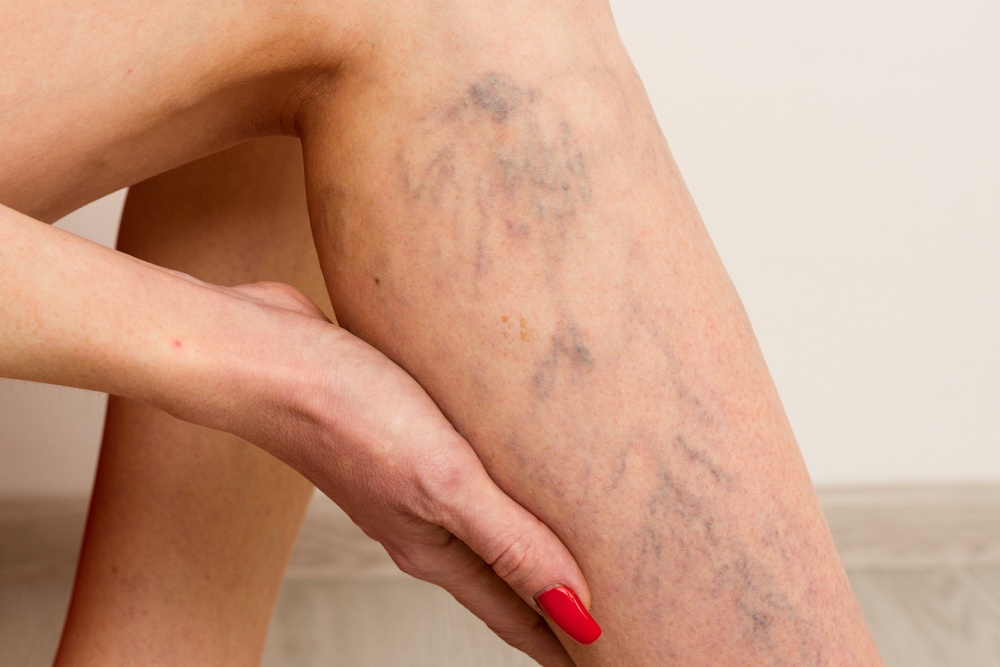
It often starts small veins on your legs becoming more noticeable, mild pain after standing for long hours, or swelling around the ankles by evening. Many people ignore these signs, assuming they are simply part of ageing, daily fatigue, or long work hours. However, these symptoms can sometimes point to an underlying vascular problem that should not be overlooked.
Understanding what your body is trying to tell you can help prevent long-term complications and protect your overall quality of life.
Why Do Veins Become More Visible?
Veins play an important role in carrying blood back to the heart, especially from the legs where blood has to travel against gravity. When the valves inside these veins weaken or stop functioning properly, blood begins to pool in the lower limbs. Over time, this increased pressure causes veins to enlarge, twist, and become clearly visible on the surface of the skin.
Several factors can increase the risk of vascular issues, including prolonged sitting or standing, obesity, pregnancy, lack of physical activity, and a family history of vein problems. While visible veins are sometimes cosmetic, they can also be an early sign of deeper circulation issues that may require medical attention.
Leg Pain and Swelling Are Warning Signs
Occasional leg discomfort after a long day is common. However, persistent pain, heaviness, or swelling is not something you should ignore. Many people with vascular conditions experience symptoms such as:
- Aching or throbbing pain in the legs
- Swelling around the ankles or calves
- A feeling of heaviness or tiredness while walking
- Burning or itching near visible veins
- Skin discoloration or thickening over time
These symptoms often worsen by the end of the day and may begin to interfere with daily activities if left untreated.
When Should You Take These Symptoms Seriously?
It is important to consult a vascular specialist if you notice:
- Leg swelling that does not reduce after rest
- Pain that increases while standing or walking
- Veins becoming more prominent over time
- Changes in skin colour, texture, or sensitivity
- Wounds or ulcers on the legs that heal slowly
Ignoring these warning signs may lead to complications such as chronic venous insufficiency, skin infections, or even blood clots.
How Are Vascular Problems Diagnosed?
Diagnosing vascular conditions usually begins with a detailed clinical examination. Doctors may then recommend non-invasive tests such as a Doppler ultrasound to assess blood flow and identify valve dysfunction or blockages within the veins.
At Mercurrey Hospital, patients benefit from experienced specialists and advanced diagnostic facilities that help detect vascular problems at an early stage. Early diagnosis often leads to simpler treatment options and quicker recovery.
Modern Treatment Options for Vascular Conditions
The word “vascular” often makes people think of major surgery, but treatment options today are far more advanced and patient-friendly. Depending on the condition and its severity, treatment may include lifestyle changes, medications, compression therapy, or minimally invasive procedures.
Hospitals offering vascular surgery in Thane now focus on techniques that reduce discomfort, shorten hospital stays, and help patients return to their normal routines faster.
Why Timely Treatment Matters
Vascular problems rarely resolve on their own. Without treatment, symptoms can gradually worsen, leading to chronic pain, skin damage, restricted mobility, and reduced quality of life. Seeking care at the right time can help relieve symptoms, prevent complications, and improve circulation.
Choosing a reliable vascular surgery hospital in Thane, such as Mercurrey Hospital, ensures access to expert care, accurate diagnosis, and modern treatment options under one roof.
Listen to Your Body
Visible veins, leg pain, and swelling are not just cosmetic concerns or minor inconveniences. They are often early warning signs that your vascular system needs attention. Paying close attention to these signals and seeking timely medical advice can make a significant difference to your long-term health.
If these symptoms sound familiar, it may be time to stop ignoring them and take the first step toward healthier circulation.